2026-10-23 ·
Step-by-Step Loft Inspection for Spray Foam in Pre-1980 Scunthorpe Houses
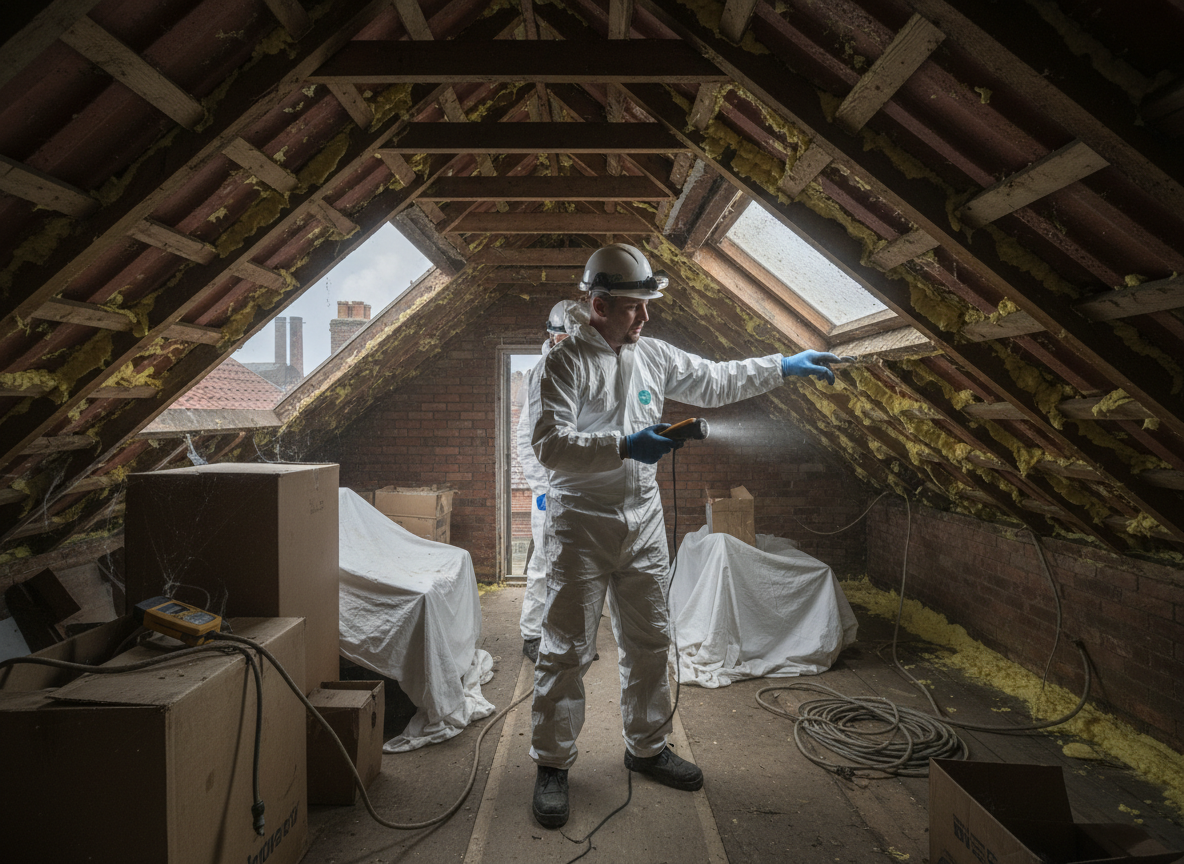
Inspecting a loft with spray foam in a pre-1980 Scunthorpe house starts with a visual check of the roof space for signs of trapped moisture and timber stress, which takes 60 to 90 minutes on a typical two-storey property in Gunness or nearby areas.
Initial Safety and Access Checks
Begin at the access hatch in homes built before 1980 around Scunthorpe. Wear PPE including dust mask, gloves and head torch before entering. Older properties in the Scunthorpe area frequently have narrow hatches and low headroom, so confirm the loft boards can support weight. Note any droppings or insulation debris that may indicate pests common in Lincolnshire lofts. Check that the hatch seal remains intact to prevent warm air escaping into the roof space. These first steps prevent accidents and give an early view of how spray foam interacts with the original roof structure.
Examining Roof Timbers and Rafters
Walk the joists carefully and inspect every visible rafter and purlin for dark staining or softening. Pre-1980 houses in Scunthorpe and surrounds like Messingham often feature timber that has aged through decades of temperature swings. Spray foam can mask early rot at rafter ends near the eaves. Press gently with a screwdriver on suspect spots rather than relying on surface appearance alone. Record any sagging sections or nail rust that suggests ongoing damp. This inspection reveals whether the roof structure remains sound enough for future work or needs attention first.
Testing for Moisture and Ventilation Problems
Use a moisture meter on exposed timber and any foam edges. In Scunthorpe lofts, poor ventilation often allows condensation to form where spray foam meets the roof covering. Look for water streaks on felt or tiles and check that ridge and eaves vents remain clear. Older properties here frequently lack modern breathable membranes, so trapped vapour builds up faster than in newer builds. Compare readings at multiple points along the slope. High readings above 18 percent indicate the need for further assessment before deciding on removal options such as loft spray foam removal.
Documenting Spray Foam Condition and Coverage
Photograph every section of foam, noting thickness variations and any gaps along the rafters. In pre-1980 Scunthorpe houses the foam was often applied over original insulation or directly onto timber, creating hidden pockets. Measure the depth at several locations with a probe. Check for shrinkage cracks or areas where foam has pulled away from the roof deck. These details help determine whether the installation contributed to the current issues and inform the next steps discussed in Condensation Problems in Scunthorpe Lofts After Spray Foam Installation.
Planning Follow-Up Actions
Compile notes and photos into a simple report with locations marked on a sketch of the loft. Homeowners in the Scunthorpe area can then compare findings against typical removal costs outlined in What Affects Spray Foam Removal Cost in North Lincolnshire. Contact a local team operating 24/7 from A18 Doncaster Rd, Gunness, Scunthorpe DN15 8WA for a second opinion if readings suggest widespread damp. This structured inspection prevents unnecessary work and focuses any future removal on the exact problems present in the property.